 By Kevin
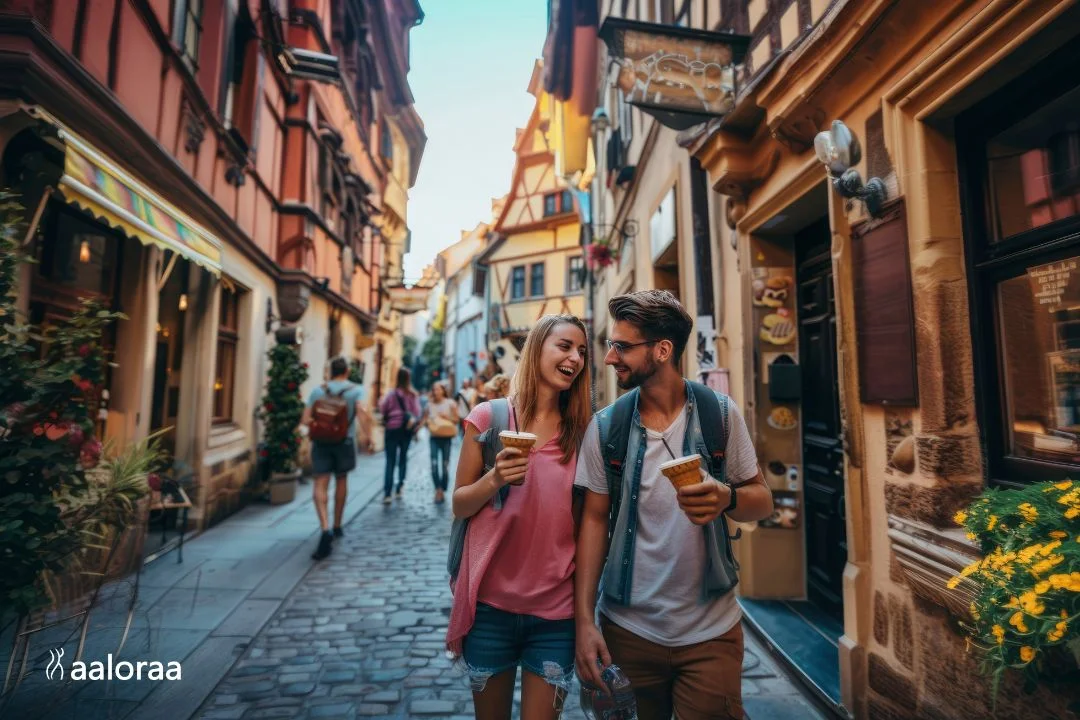

Traveling in the Old Towns Camp is most likely to be a highlight of any vacation. Once the paved ancient streets were hit on, something felt big. The streets presented an ensemble of time’s absolute past when they remembered every cobblestone. Worlds away from 2026, the temporal shell of ours, these areas function as time capsules letting us participate in the appreciation of traditions, celebrations of craft, and slow living.
Creative falsifications in old towns cannot be copied outwards by large banks and modern malls of glass and steel. Histories there sit dense over slices of odd landmark buildings, their little craft shops and contourless alleyways worth every adventure. Either Medieval Europe or Colonial Asia, their layout or their ways pride in saying much about the evolution of a civilization- that is how these districts narrate Cities.
It is the architecture of the old town that is largely without confusion-a narrator where we can read stories of past dignity. With streets adorned with curling Baroque facades to half timbered houses, this is a manifestation of skill from distant epochs. The varying depictions pervade that space and conspicuously dissect the rigidness and awkwardness found indiscriminately in the city’s current residential and engineering planning styles.
The endeavor is to retain the essence of aesthetics in these old town areas. The visitor strikes a different reality the moment he sets foot in the street shell of such areas, where height and scale, like the detailing of these buildings, tend to put the human being first, before industrial efficiency.
Old towns are almost always the culinary heart of a city. In such an environment, because these areas usually developed around traditional marketplaces and harbors, it is quite common to find clusters with many bakers and small markets, restaurants, cafes-specifically linked to the locality-rather than springing up in a few tree-lined streets of outer suburbs.
The awe found in the culinary scene contradicts the city’s modern commercial zones. For instance, while a traveler in a primary technology center would be doing a night stroll to different particular services, such as hunting for one or more Bangalore escorts high in the business district when they find that the charm of the old town is rooted in centuries-old recipes and local taverns serving the community for generations.
Social life in historic districts usually revolves around squares and plazas. These communal areas were designed with a primary aim of bringing together people, satisfying their necessity until date. Locals gathering in these places gives a true insight into daily city life.
Local leisure is often unlike that of the fast paced transient nightlife of current entertainment districts. In cities where the nightlife is vast and sprawling, cities of which a traveler would probably know of some Mumbai call girls in sleek high rise spaces, the old town offers a very good place for evening relaxation, full of loud cafes and jazz bars rather than sprawling nightclubs.
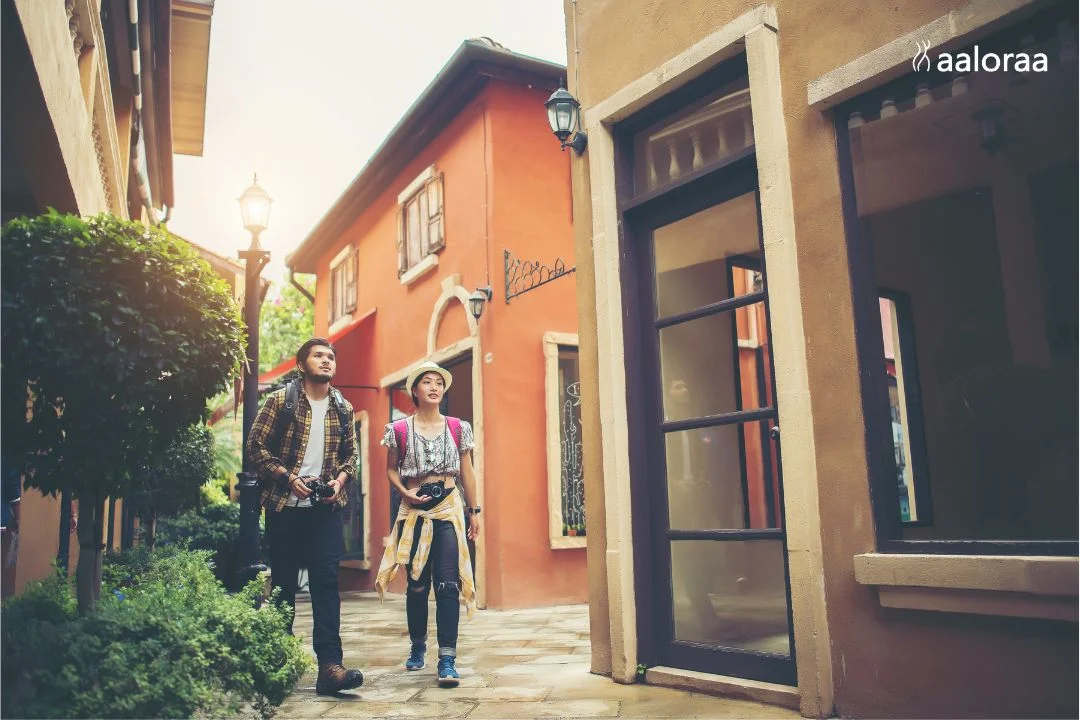
When tourists come to ancient towns, they often have a feeling of ambiguity. In a way, the “new city” and the “old town” create two dimensions so that more development in empathy would comprehend how the local economy functions.
Travel itself rests on the idea of contrast. Business travellers may traverse the professional spaces of a capital clamoring for their bespoke needs like Manchester Escorts for that coveted company at night, but they almost invariably gravitate toward the old town on the weekend, where their delight in the true city’s soul and heritage is complete.
For the modern tourist, the visual charm is of utmost importance in the old town. The old district has an incredible richness of texture, light, and color that most modern urban centers lack. The picture juxtaposes the charm of classic gray stone with brightly colored window sills and climbing ivy interspersed on the walls in the wild.
These streets offer personal details beyond the iconic landmarks, such as the way the sun shines on a cobblestone street during the golden hour or hundreds of years of shopfront advertisements. This is when inspiration has no end. Through curated visual storytelling about their journey, travellers escape the common postcard feel presented on previous trips.
Choosing to visit these historical neighbourhoods encourages sustainable tourism. Unlike the large oceanfront resorts that often send profits far away, consumer spending in an old town generally supports local artisans, small independent hoteliers, and regional culinary traditions.
Travellers incentivizing the city by their favourites come with hope for preservation, a process that would otherwise end in demolition in Favor of speculative developments. Your funds help to restore historical edifices and sustain traditional craftsmanship. It also means that the city retains its unique cultural address and does not fade into an indiscriminate globalized identity.
Lastly, the travel zeal for these districts is influenced by the shared desire for their preservation. When we visit them, these destinations get some help towards their maintenance. The very revenue generated by tourism can help save some sagging facades and also provide for the upkeep of the many tourism heritage sites otherwise long lost to the erosion of time.
The choice of spending time in these historic neighborhoods needs to stand out, pinpoint heritage over mere convenience. Time and again, this association is a win-win situation whereby the traveler gets moved by history while passing along to the city resources with which to protect its most hallowed cultural assets for years to come.