 By Kevin
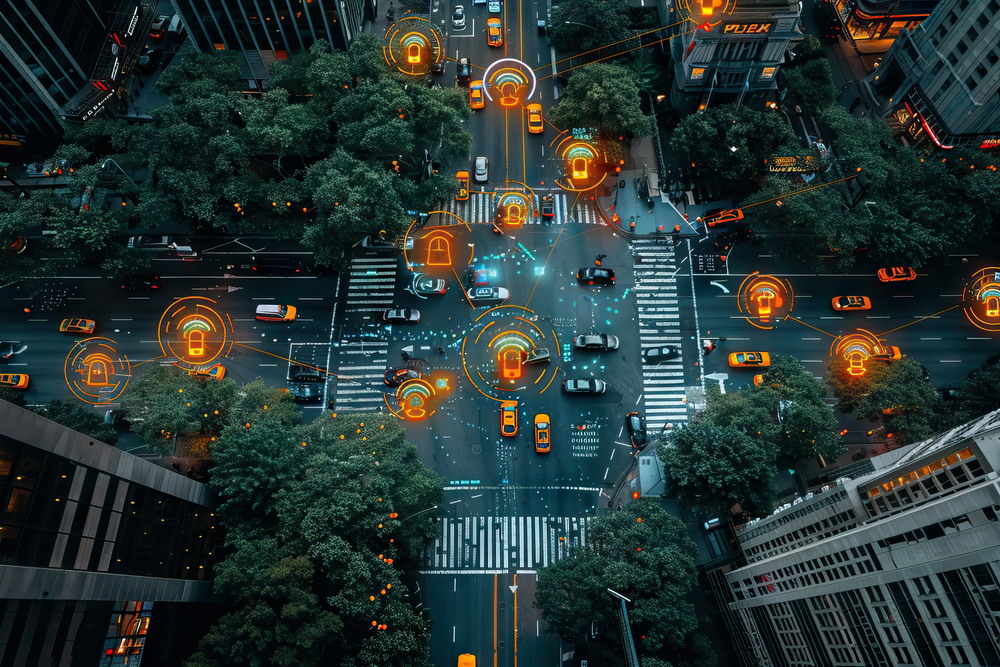

You might miss the urban transformation happening on city streets. Traffic lights, parking meters, and trash cans are collecting data. This quiet shift is changing cities from the inside out. No wrecking balls needed. Just sensors, networks, and lots of data working behind the scenes.
That streetlamp above your head? It might be measuring air quality right now. The crosswalk button you just pressed probably logged your request along with thousands of others to help planners understand foot traffic patterns. Cities have basically hired an army of electronic observers that never clock out.
These gadgets send their findings to command centers where the real action happens. Engineers watch screens filled with colored maps and scrolling numbers. Red spots show traffic jams forming. Blue areas indicate available parking. Yellow warnings flag potential water main problems. It’s like SimCity, except the consequences are real and the reset button doesn’t exist.
Remember sitting at that red light for what felt like forever while no cars crossed the intersection? Smart traffic systems fix that nonsense. They watch traffic flow and adjust signal timing on the fly. An accident on Main Street? The system starts tweaking lights ten blocks away before drivers even know there’s a problem. Parking transforms too. Sensors embedded in asphalt detect whether a car sits above them. Your phone can guide you straight to an open spot.
Emergency crews love data. Paramedics used to rely on hunches about where to position ambulances. Now algorithms crunch historical call data, weather patterns, and event schedules. They predict where emergencies will likely occur. Heart attack rates spike during football games? Position an ambulance near the stadium. House fires increase during cold snaps? Pre-position trucks in older neighborhoods with sketchy heating systems. Police work changes too. Officers target crime hotspots instead of random patrols.
Here’s where things get interesting. All these separate systems start having conversations. Urban infrastructure connectivity pulls everything together into one giant nervous system. Blues IoT and similar companies create wireless bridges between old equipment and new networks. A water pump installed in 1987 suddenly starts chatting with the weather forecast system. Storm coming? The pump prepares for the deluge before the first raindrop falls. Concert letting out at the arena? The subway adds extra trains while parking garages adjust their rates to encourage quick exits. Street lights brighten along walking routes to the venue. The city responds like a living organism.
Not everyone loves being watched, even by machines. Even when cameras are just optimizing crosswalks, people feel uneasy knowing their movements are being tracked. Cities tread a fine line between data collection for good and invasive surveillance. The successful ones tell residents exactly what they’re collecting and why. Mystery breeds mistrust.
Money matters too. Sensors cost cash. Networks need maintenance. Skilled technicians demand good salaries. But cities that took the plunge report something interesting: they save more than they spend. Fewer water-main breaks. Less wasted electricity. Quicker emergency responses that stop minor issues from escalating into major crises.
The next time you hit five green lights consecutively, it’s thanks to data. When you find parking immediately, appreciate those sensors. Each small enhancement contributes to cities becoming smarter. Oddly, the more effective these systems become, the less apparent they are. And maybe that’s the point. Great cities don’t make you think about infrastructure. They just work. Data makes that possible, quietly rebuilding urban life byte by byte, making tomorrow’s cities run smoother than we ever imagined possible.